
TTS CERT



 Hotline
Whether Muslim or not, every individual tends to carefully consider what they consume—not only to nourish their body but also to align with personal preferences. However, for Muslims, halal is not merely a health-conscious choice; it is an inseparable part of their lifestyle.
Following halal dietary standards signifies strict adherence to religious principles and reflects deep respect for faith and ethical values. Halal extends beyond food—it encompasses all aspects of life, from behavior and business practices to social relationships, creating a comprehensive system of ethical and moral standards.
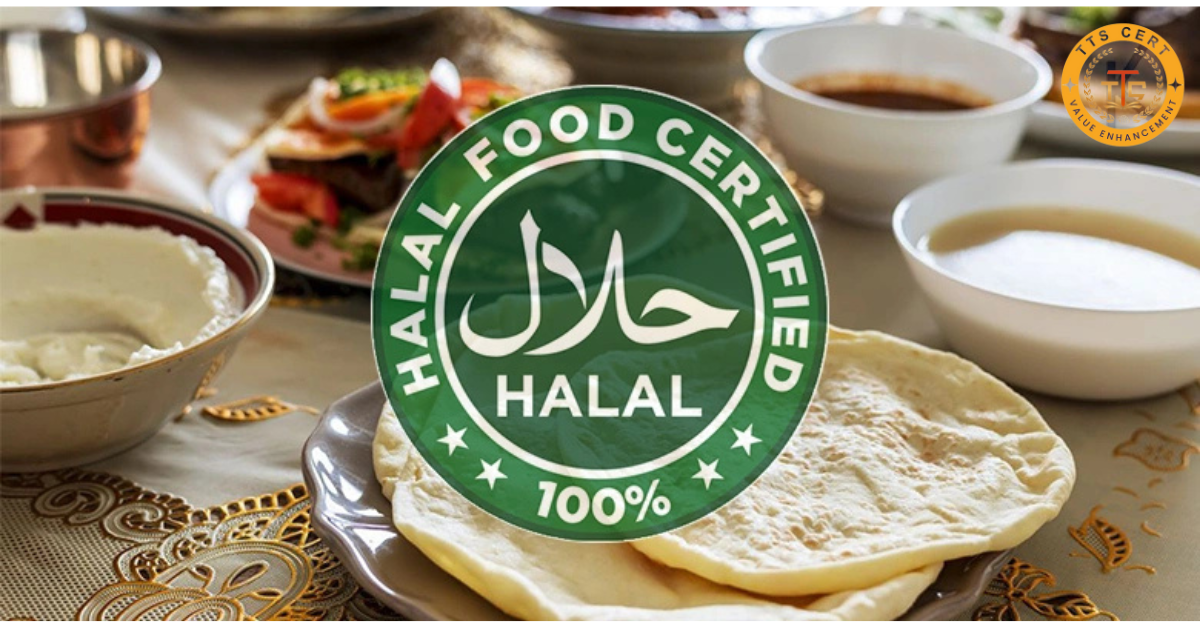
In Arabic, the word “Halal” means “permissible” or “lawful.” For Muslims, Halal is not just a concept but a fundamental principle, especially in dietary practices. Halal regulations are outlined in the Qur'an (the Islamic holy book), requiring food products to meet strict standards to ensure purity and alignment with religious beliefs.
Halal Certification – Ensuring Strict Compliance
For a product to be recognized as Halal, it must obtain a Halal certification, which confirms that:✔ Ingredients: Do not contain any substances prohibited in Islam.✔ Production Process: Adheres to strict standards to prevent contamination from Haram (forbidden) elements.✔ Processing Methods: Comply with religious regulations, from animal slaughter to storage and packaging.
To receive Halal certification, food products must meet the following requirements:🔹 Clean Origin: Ingredients must come from lawful sources such as Halal-certified land, water, and factories.🔹 No Contamination: The production process must not come into contact with Haram substances.🔹 Halal Meat: Animals must be slaughtered humanely, ensuring minimal suffering.
Food & Beverages (excluding alcohol and alcoholic products).
Medicines.
Cosmetics
Health Supplements.
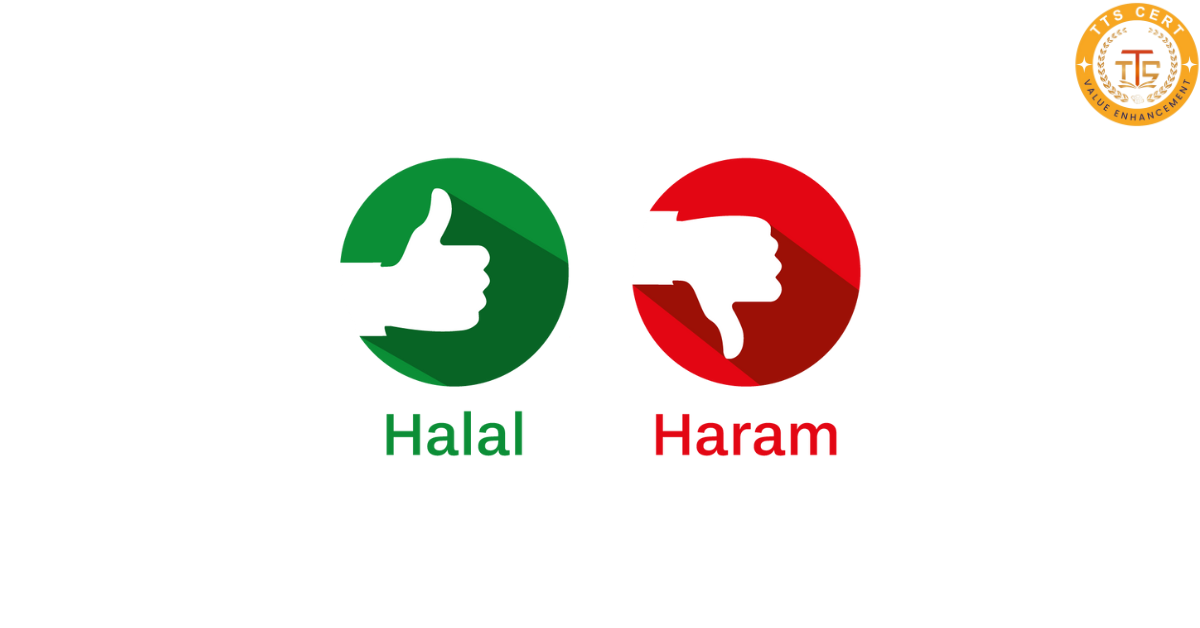
Opposite to Halal, Haram means illegal, impermissible, or forbidden. Haram products include foods and beverages that do not comply with Halal principles and may pose risks to overall consumer health.
Pork, dogs, and all their by-products.
Animals not slaughtered according to Islamic rites, such as cattle, chicken, or sheep if not processed following Halal procedures.
Amphibians like frogs and snakes.
Carnivorous animals with fangs and claws, such as bears, tigers, leopards, cats, and predatory birds.
Venomous animals.
Genetically modified organisms (GMOs) containing Haram genes.
Food additives containing alcohol, beer, or by-products from the alcoholic beverage industry.
All these products cannot receive Halal certification, and the use of Haram ingredients in production automatically renders a product Haram.
The simplest way to determine whether a product is Halal is to look for Halal certification. Certified Halal products ensure that they have been inspected and meet strict requirements regarding origin, production processes, and religious standards.
However, various factors can affect a food’s Halal status, from packaging materials to additives, making it difficult for consumers to verify compliance. To be certain, choose Halal-certified products, as they have undergone rigorous quality inspection processes you can trust.
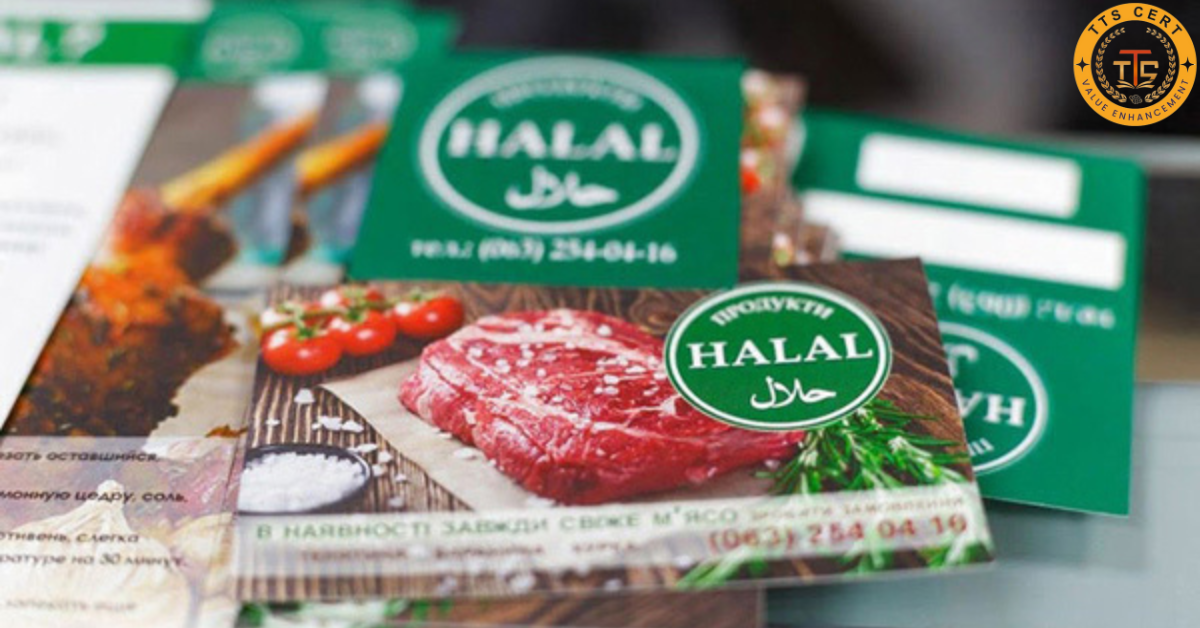
Understanding the difference between Halal and Haram not only helps Muslims adhere to religious guidelines but also supports a healthy lifestyle, ensuring both physical and spiritual well-being. Choosing Halal food is more than just a dietary decision—it is an essential part of respecting ethical and religious values.
Always look for Halal certification to ensure that you are making the right food choices in alignment with religious and ethical principles.
Recommend Posts


