TTS CERTVIETNAM

INSIGHTS & UPDATES

News

Explore standards updates, market requirements and practical implementation guidance for businesses.

What Is BCI Chain of Custody? A Guide to CoC Standard v1.2

News

What Is BCI Chain of Custody? A Guide to CoC Standard v1.2

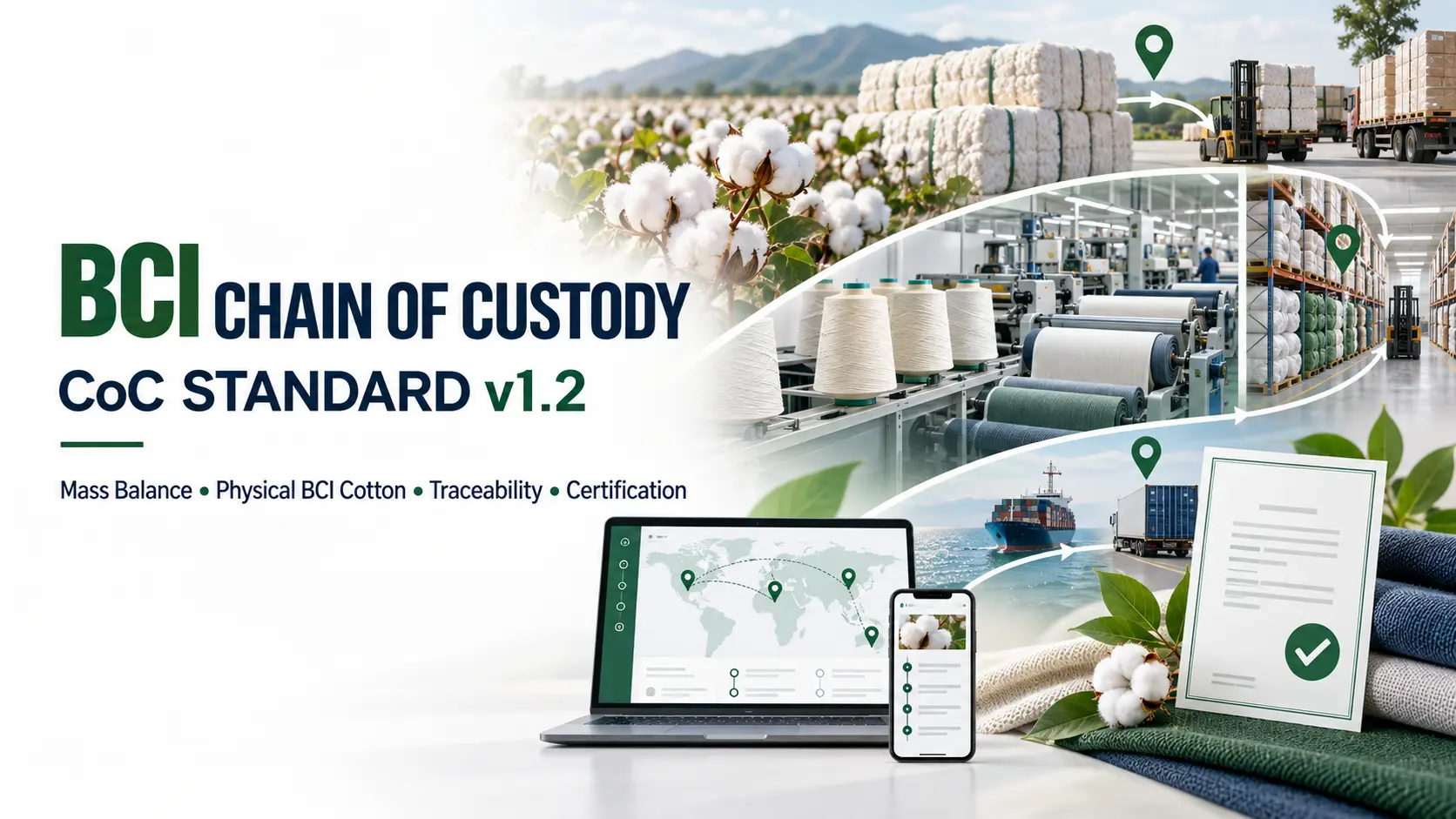
BCI Chain of Custody Standard v1.2 defines how BCI Cotton is controlled, documented and transferred through the supply chain. The current version, effective from 6 January 2026, includes four models: Mass Balance, Controlled Blending, Segregation – Multi-Country and Segregation – Single Country. This article summarizes the key requirements textile companies should understand when implementing BCI CoC and preparing for certification.

Read article

What Is Chain of Custody? The Foundation of Every Recycled Material Claim

News

What Is Chain of Custody? The Foundation of Every Recycled Material Claim

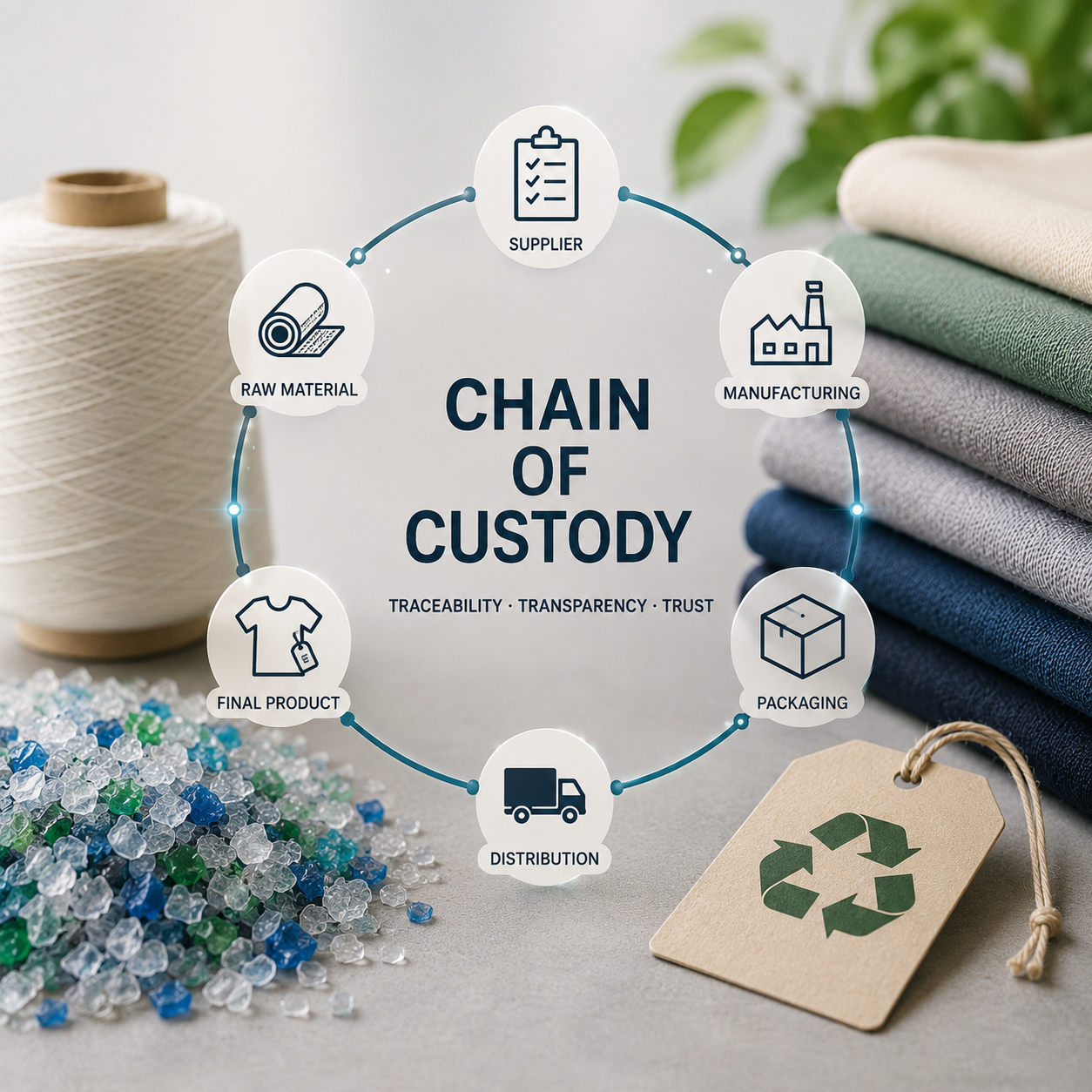
Many manufacturers invest in recycled materials to meet customer expectations and sustainability goals. However, purchasing certified recycled materials alone does not automatically prove that the finished products genuinely contain those materials. The real challenge lies in maintaining traceability throughout the entire production process. How can a manufacturer demonstrate that recycled materials received from suppliers are the same materials incorporated into the final product? How can customers be confident that recycled materials have not been mixed with virgin materials without proper control? The answer lies in a robust Chain of Custody (CoC) system.

Read article
What Is Recycled Content? Why Every Manufacturer Should Understand It Before Making Recycled Product Claims

GRS

What Is Recycled Content? Why Every Manufacturer Should Understand It Before Making Recycled Product Claims

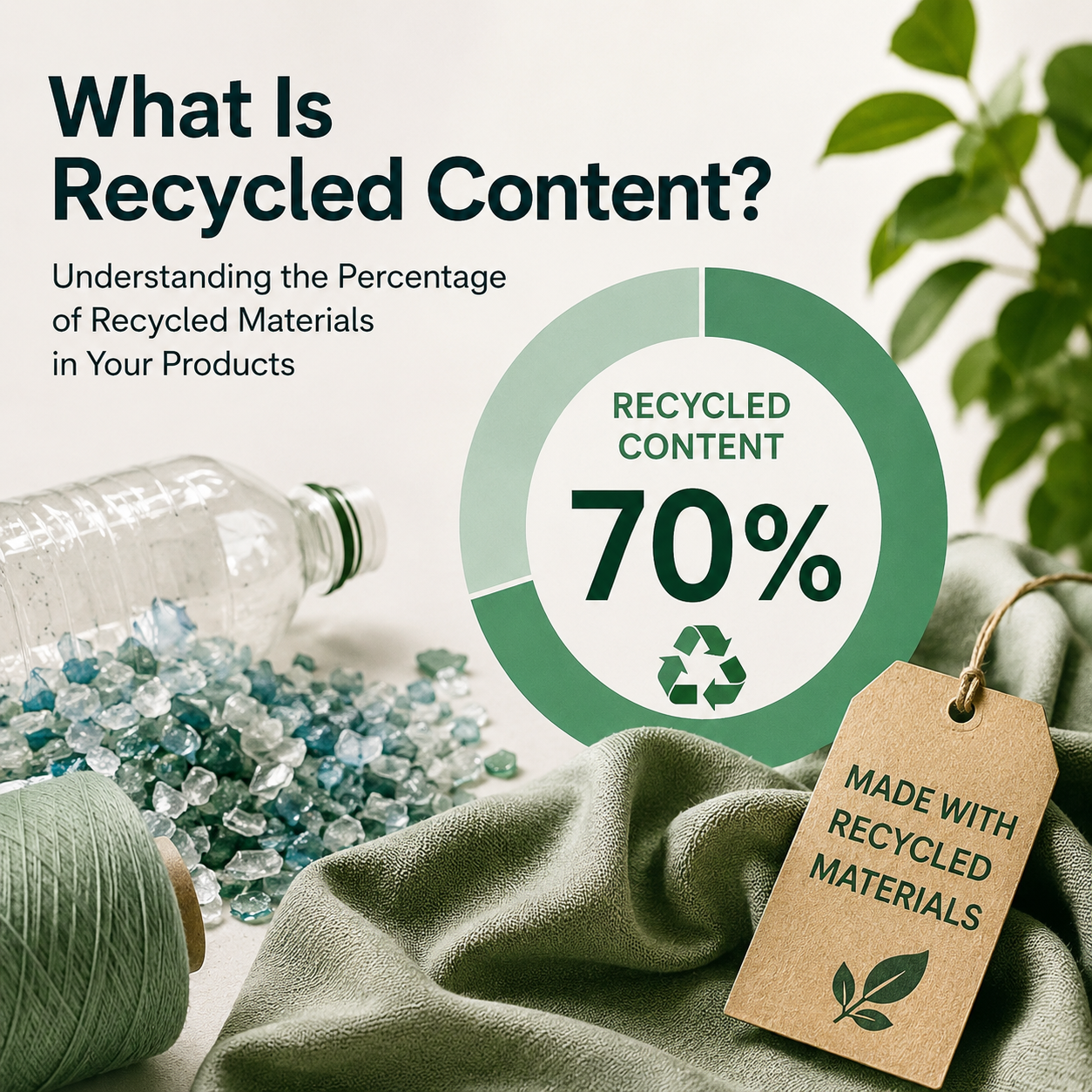
More and more companies are promoting products made with recycled materials. However, behind every sustainability claim lies one critical question that international brands and consumers increasingly ask: How much recycled material does this product actually contain? This question refers to Recycled Content—the percentage of recycled material incorporated into a finished product. Although the term appears frequently in international standards such as the Global Recycled Standard (GRS) and the Recycled Claim Standard (RCS), many manufacturers still confuse Recycled Materials with Recycled Content. While the two concepts are closely related, they represent different aspects of sustainable manufacturing. Understanding the distinction is essential for businesses seeking to make accurate product claims, comply with customer requirements, and build trust in today's increasingly transparent supply chains.

Read article
What Are Recycled Materials? Their Role in the Circular Economy and Sustainable Supply Chains

GRS

What Are Recycled Materials? Their Role in the Circular Economy and Sustainable Supply Chains

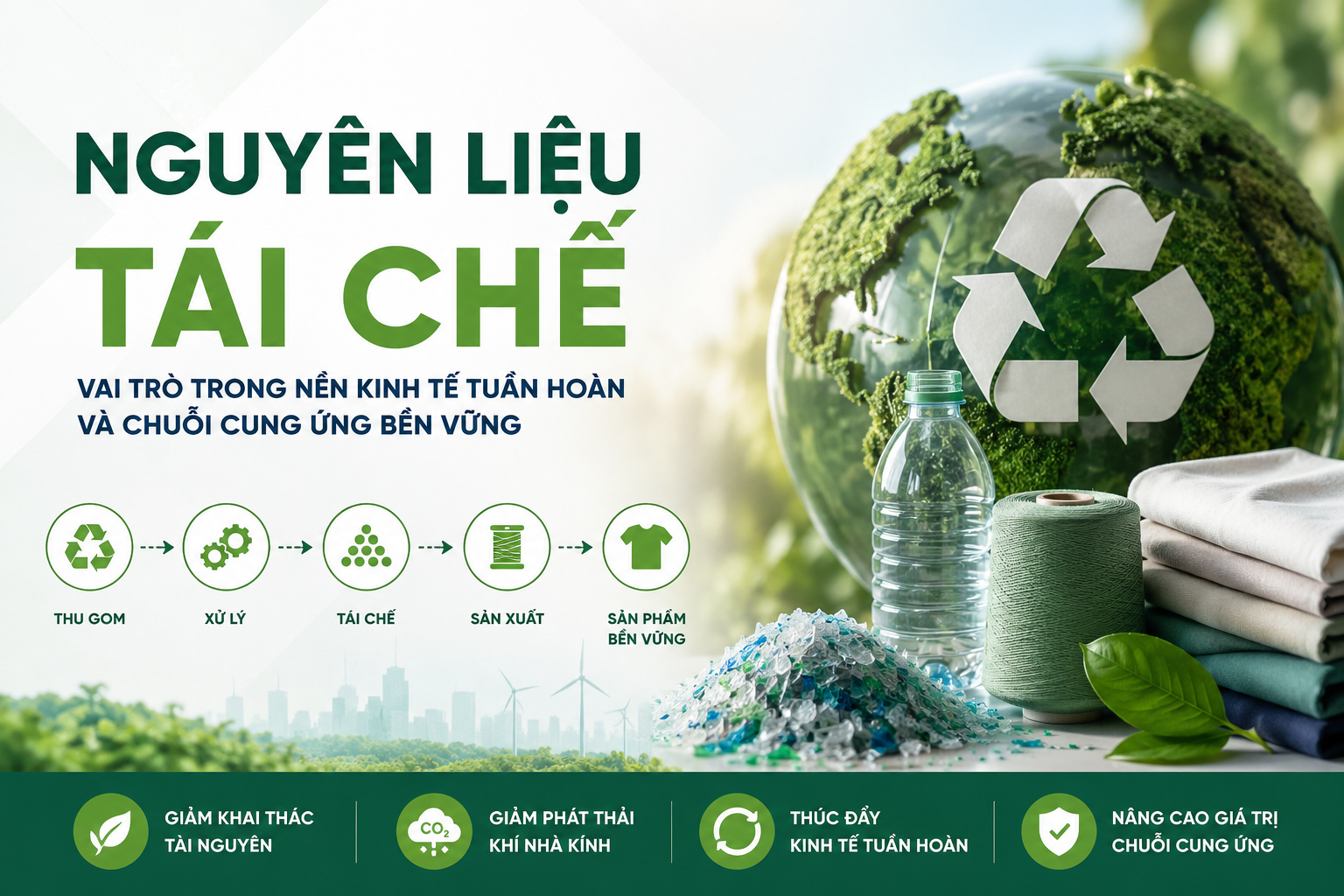
For many years, when people thought about recycling, they typically associated it with collecting plastic bottles, used paper, aluminum cans, or other waste materials for disposal and reprocessing. While this perception is not incorrect, it no longer reflects the full significance of recycling in today's global economy. As sustainability and the Circular Economy become central business priorities, recycling has evolved far beyond a waste management practice. For manufacturers—particularly those operating in the textile, packaging, plastics, paper, furniture, and consumer goods industries—recycled materials have become a strategic business resource rather than simply an environmental initiative.

Read article
Key Considerations When Conducting Higg FEM 2026 Verification

HIGG FEM certification

Key Considerations When Conducting Higg FEM 2026 Verification

Higg Facility Environmental Module (Higg FEM) 2026 remains a critical requirement for factories participating in global supply chains, particularly those working with international brands. However, in practice, many facilities still face challenges during Higg FEM verification due to misunderstandings of the methodology, insufficient data preparation, or a reactive approach to verification.

Read article

STANDARDS · INITIATIVES · INDUSTRY NETWORKS

Supporting businesses through standards and industry initiatives

SMETA
BSCI
Better Cotton Initiative
Social & Labor Convergence Program
Responsible Jewellery Council
Higg FEM
FSC
Global Recycled Standard
ISO 14064-1 Carbon Footprint Verified
CTPAT
100% Recycled Plastic