Table of contents
In the healthcare sector, medical devices play an extremely critical role as they directly affect the safety of patients, healthcare professionals, and the community. Unlike many other industries, even a minor error in the design, manufacturing, or use of a medical device can lead to serious consequences. For this reason, most countries impose stringent legal requirements on medical device manufacturers and suppliers, requiring them to establish and operate a Quality Management System (QMS) that is independently assessed and certified.
Among existing international standards, ISO 13485 is regarded as the most important and widely recognized standard specifically designed for the medical device industry. The standard applies to any organization involved in one or more stages of the medical device lifecycle, including design, development, manufacturing, storage, distribution, installation, servicing, and even decommissioning or disposal at the end of the device’s life.
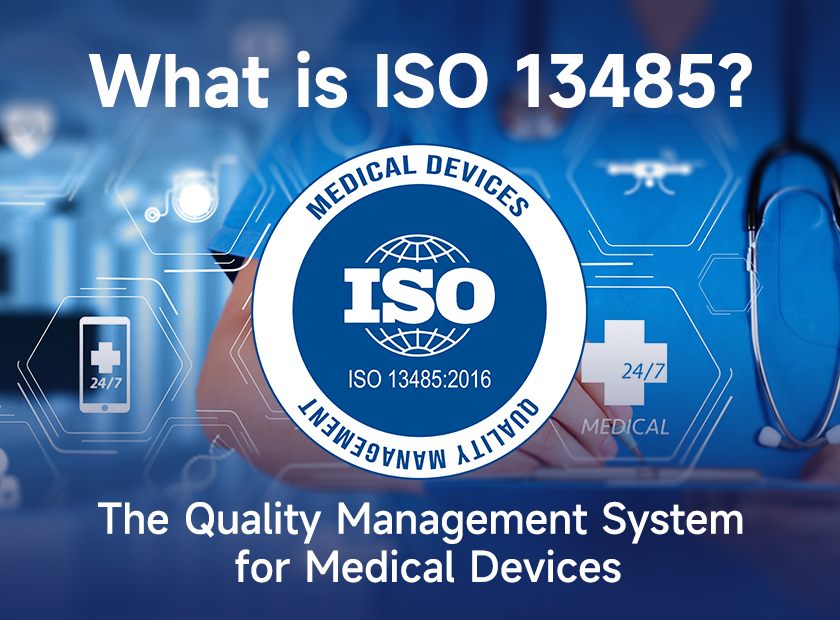
1. WHAT IS ISO 13485?
ISO 13485 – Medical devices: Quality management systems – Requirements for regulatory purposes specifies the requirements for establishing and maintaining a quality management system suitable for the specific characteristics of the medical device sector. First published in the 1990s and continuously updated, the standard:
Focuses on product safety and performance
Meets customer requirements and regulatory requirements in the EU, Canada, the United States, and many other countries
Is based on ISO 9001 but includes additional medical device–specific clauses while removing non-applicable requirements
As a result, ISO 9001 certification cannot substitute for ISO 13485 in the medical device industry in most markets.
2. WHY IS ISO 13485 IMPORTANT?
In the medical device industry, product quality is not merely a competitive advantage—it is a matter of survival. ISO 13485 brings significant benefits that help organizations ensure safety, optimize operations, and access broader markets.
2.1. Meeting regulatory requirements and enabling global market access
Medical devices are strictly regulated by authorities. ISO 13485 is recognized in many major markets:
EU: Harmonized with MDD, IVDD, and AIMDD, and used as evidence of conformity to essential requirements.
United States (FDA): ISO 13485 audit reports can be submitted as evidence of compliance with Quality System Regulation (QSR).
Canada: ISO 13485 certification is mandatory for placing medical devices on the Canadian market.
Other countries: Australia, Japan, Singapore, South Korea, and others recognize or require equivalent standards.
Therefore, ISO 13485 acts as a “global passport” that enables medical devices to be legally marketed and more easily accepted worldwide.
2.2. Comprehensive risk control throughout the device lifecycle
ISO 13485 requires organizations to apply risk management according to ISO 14971, covering:
Design and development
Selection of raw materials
Supplier control
Manufacturing – assembly – inspection
Storage – transportation – distribution
Maintenance – technical service
Recall and disposal
This approach helps:
Prevent technical failures from the outset
Reduce defect rates
Ensure user safety
Minimize legal risks and recall costs
As countries tighten regulations on medical devices, ISO 13485 serves as a protective shield for organizations against risks and potential losses.
2.3. Improved product quality – Enhanced customer trust
Organizations certified to ISO 13485 establish:
Standardized and consistent processes
Clear traceability records
Strict quality control procedures
Transparent testing and batch evaluation requirements
A structured employee training system
As a result, medical devices:
Operate reliably and efficiently
Have longer lifespan
Experience fewer defects and returns
Earn trust from hospitals, clinics, and business partners
2.4. Operational optimization – Lower long-term costs
A well-implemented ISO 13485 system helps organizations:
Reduce waste in production
Control defects and minimize scrap rates
Enhance cross-department collaboration
Shorten processing times
Reduce risks, complaints, and recall costs
A strong quality system not only enhances operational efficiency but also forms the foundation for sustainable growth.
2.5. Strengthened market competitiveness
ISO 13485 certification is a hallmark of an organization’s credibility, professionalism, and capability to produce medical devices that meet international standards. It helps:
Improve competitiveness in tenders
Attract partners, distributors, and customers
Access markets with strict regulatory requirements
Strengthen brand image
For subcontractors or component suppliers, ISO 13485 is often required to become an approved supplier for major medical device manufacturers.
2.6. Foundation for continual improvement and long-term sustainability
ISO 13485 requires organizations to:
Conduct periodic internal audits
Monitor system performance
Analyze data and evaluate complaints
Improve supplier performance
Control documents and regulatory compliance evidence
Therefore, the system not only remains compliant but also continuously improves, ensuring long-term competitive advantages.
3. TTS CERT – COMPREHENSIVE SOLUTIONS FOR MEDICAL DEVICE ORGANIZATIONS
TTS Cert is a specialized organization in consulting, training, and certification support for ISO standards, particularly ISO 13485. We offer:
A team of experts with extensive practical experience in the medical device industry
A structured and scientific consulting approach suitable for all business sizes
Accurate compliance assessment and effective corrective guidance
Cost-effective solutions that shorten certification timelines
Long-term support throughout system operation
Whether you are a manufacturer, installer, distributor, or service provider, TTS Cert is ready to help you achieve ISO 13485 certification smoothly, effectively, and sustainably.