

WHAT IS RCS?
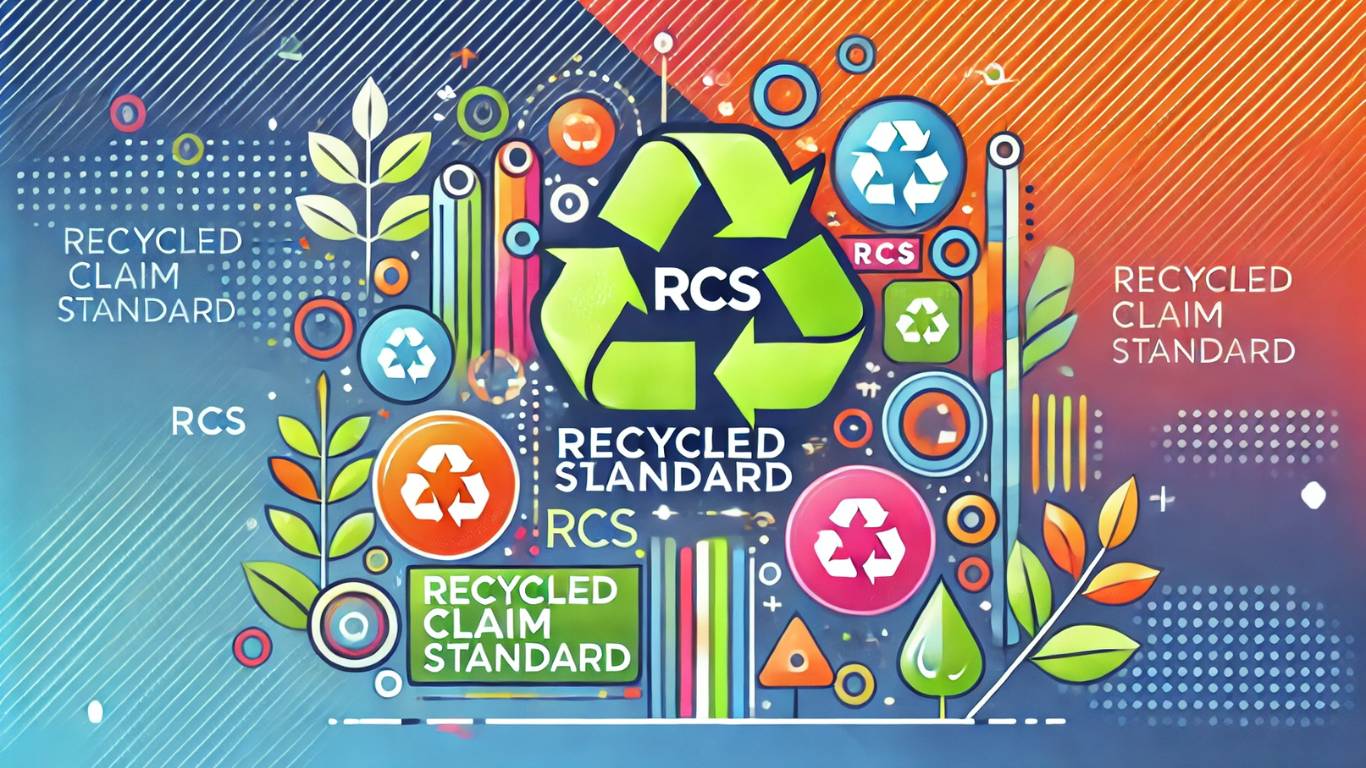
The Recycled Claim Standard (RCS) is an international voluntary standard widely used in the recycling industry to track recycled inputs throughout the supply chain. Developed by Textile Exchange and the Outdoor Industry Association's Sustainable Materials Traceability Working Group in 2013, it is now managed by Textile Exchange.
Unlike other standards, RCS does not cover social or environmental aspects of processing and production, nor does it evaluate product quality or legal compliance. Instead, its primary focus is on verifying input materials and ensuring chain-of-custody integrity for products made from recycled content.
RCS'S CRITERIA
To achieve RCS certification, the following criteria must be met:
Composition Claims Standard (CCS) Compliance: Ensures that each entity along the supply chain takes necessary steps to maintain the integrity and identity of incoming recycled materials.
Traceability: Requires end-to-end traceability from recycling to the final product.
Minimum Recycled Content: Products must contain at least 5% recycled content to qualify for product-specific RCS labeling.
RCS certification offers two product labels:
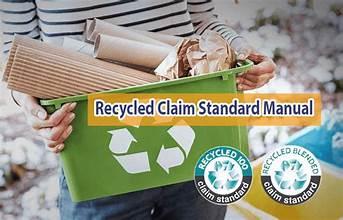
RCS 100: Confirms that the product contains 95-100% recycled content with no non-certified materials of the same type.
RCS BLENDED: Ensures that the product contains 5-95% recycled content with no other restrictions on the remaining materials.
RCS CERTIFICATE SCOPE
RCS is applicable across a wide range of industries, including:
Recycled Apparel and Textiles: Clothing, home textiles, and end textile products.
Recycled Materials: Fabrics, yarns, metals, plastics, and paper.
All recycled components in textile products must be fully identified and traceable throughout the entire chain of custody. Certification is required at every stage of the production process.
PURPOSE OF RCS CERTIFICATE
Promote Sustainable Consumption: Encourages the increased use of recycled materials, contributing to sustainable consumption and production models that reduce resource depletion.
Verify Recycled Content: Confirms the percentage of recycled material in the product.
Validate Sustainability Claims: Provides a reliable tool for companies to verify and communicate their sustainability efforts.
BENEFITS OF RCS CERTIFICATE
Build Credibility: Enhances brand trust and confidence in responsible sourcing.
Transparent Verification: Ensures consistent, independent, and comprehensive assessment of recycled content.
Drive Sustainability Goals: Accelerates industry progress towards sustainability targets.
Consumer Assurance: Offers end consumers a reliable guarantee of recycled content.
Positive Environmental Impact: Contributes to sustainable development and environmental protection.
HOW TO GET RCS CERTIFICATE?
RCS certification relies on third-party verification to ensure the accurate inclusion of recycled materials in products. The certification process involves:
Choosing a Certification Body: Select a certification body authorized by Textile Exchange.
Signing the Contract: Enter into an agreement to initiate the certification process.
Preparation and Documentation: Review standards and prepare necessary documentation.
On-Site Evaluation: Meet with an evaluator for on-site or remote assessments.
Document Review and Compliance Check: Ensure all documents and procedures comply with RCS requirements.
Corrective Actions: Address any non-conformities identified during the evaluation.
Certification Issuance: Receive a Scope Certificate (SC) upon meeting all requirements.
Ongoing Compliance: Prepare for unannounced inspections to ensure continued compliance.
Transaction Certificate Application: Contact the certification body for a Transaction Certificate for each shipment.


