
Supply Chain Security
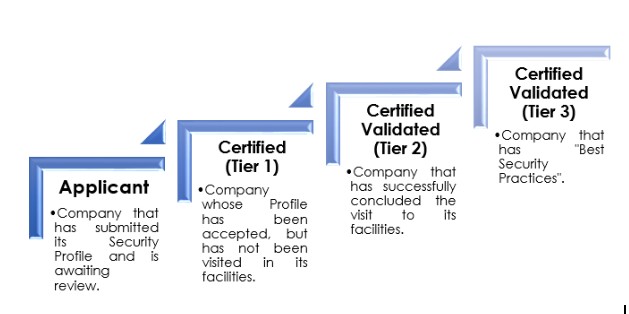
High-Level Analysis of C-TPAT Tier Benefits
Upgrading from Tier 1 to Tier 3 is a complex journey requiring not only compliance but also innovation in adopting advanced security technologies and procedures.
Read articleINSIGHTS & UPDATES
News and insights about C-TPAT, GSV, SCAN and supply chain security.
EXPLORE BY TOPIC
Supply Chain Security
Upgrading from Tier 1 to Tier 3 is a complex journey requiring not only compliance but also innovation in adopting advanced security technologies and procedures.
Read article
Supply Chain Security
In the high-risk world of international trade—particularly when exporting to demanding markets like the United States-ensuring supply chain security is not merely a compliance requirement but a critical factor determining customs clearance speed and brand reputation.
Read article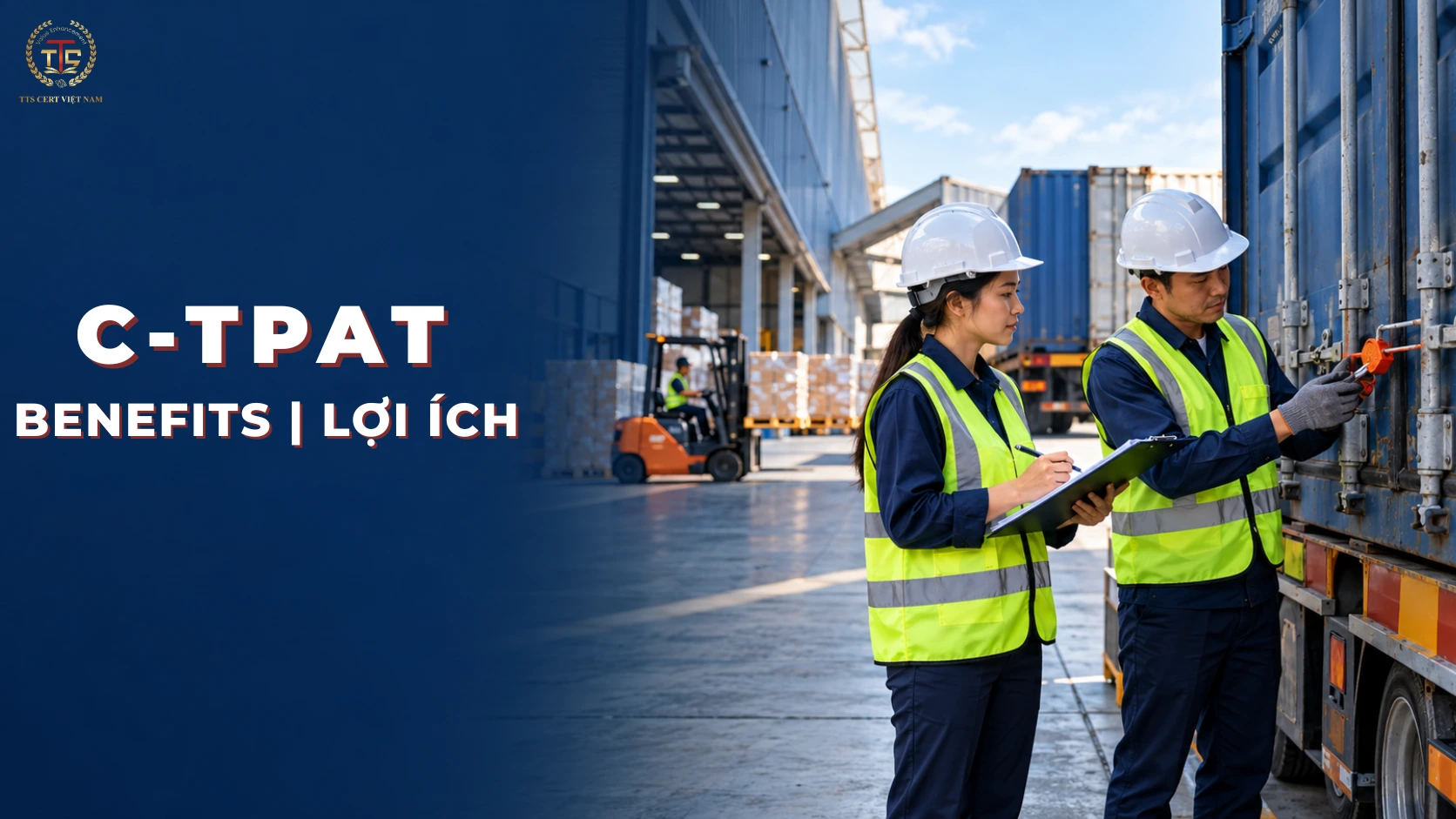
Supply Chain Security
CTPAT provides trade benefits to eligible CBP-certified members, but Vietnamese factories typically benefit through stronger supply chain security and buyer compliance. Learn the difference and how to prepare.
Read article
Supply Chain Security
The C-TPAT program is not an ordinary trade regulation, but a security initiative established during a critical moment in history. The 9/11 terrorist attacks exposed major vulnerabilities in the United States’ border security and global supply chain systems. To address these risks, U.S. Customs and Border Protection (CBP) developed the C-TPAT standard in November 2001, based on a public–private cooperation model to extend the security shield beyond national borders.
Read article
Supply Chain Security
The establishment of C-TPAT is a prime example of how a national security incident (September 11, 2001) can reshape global trade laws and regulations. Before 2001, customs procedures primarily focused on tax collection and preventing prohibited goods. After the 9/11 tragedy, the focus shifted toward national security.
Read article
Supply Chain Security
C-TPAT (Customs-Trade Partnership Against Terrorism) was established as an essential tool helping companies minimize supply chain security risks, enhance credibility, and gain advantages when entering major markets such as the United States.
Read articleSTANDARDS · INITIATIVES · INDUSTRY NETWORKS


