



Những câu hỏi thường gặp về tiêu chuẩn ISO 50001
ISO 50001 – An Efficient Energy Management System for Businesses
Currently, ISO 50001 is widely adopted by many organizations and companies to enhance energy efficiency and save energy resources. To understand more about this international standard, let’s explore the frequently asked questions about ISO 50001 with tts-cert.vn in this article.
What is ISO 50001?
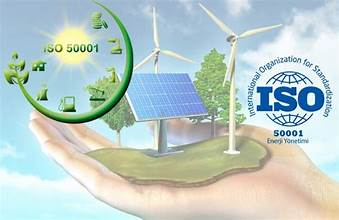
ISO 50001 is a voluntary international standard developed by the International Organization for Standardization (ISO), providing a globally recognized framework for energy management. The primary goal of ISO 50001 is to help organizations manage and improve energy performance more effectively.
This standard focuses on:
- Optimizing energy use and consumption.
- Measuring, documenting, and reporting energy use.
- Designing and procuring energy-efficient equipment, systems, and processes.
- Developing energy management plans and controlling factors that affect energy performance.
One unique feature of ISO 50001 is that it requires continuous improvement in energy performance but does not set specific targets. Instead, it provides a flexible framework for organizations to set and pursue their own energy goals in alignment with their strategic objectives.
What is an Energy Management System (EnMS)?
An Energy Management System (EnMS) is a set of processes designed to help organizations effectively utilize data and information to:
- Maintain and improve energy performance.
- Enhance operational efficiency.
- Reduce energy intensity and environmental impact.
The Role of ISO 50001
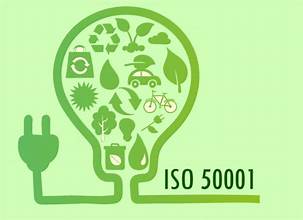
In the global context of increasing emphasis on energy savings and environmental protection, ISO 50001 plays a crucial role in:
- Controlling costs and optimizing energy performance.
- Improving environmental quality and enhancing competitiveness.
- Establishing an effective energy management system through the measurement, reporting, and monitoring of energy-related factors.
Implementing ISO 50001 helps organizations build a systematic and sustainable energy management approach while demonstrating a commitment to continuous energy performance improvement.
History of ISO 50001
ISO 50001 was developed by the International Organization for Standardization (ISO) with the participation of over 59 countries. This initiative was led by the Project Committee PC 242 to establish an effective energy management framework.
After its publication, PC 242 was transformed into the Technical Committee TC 301, responsible for updating and developing related standards, such as:
- ISO 50004 – Guidelines for implementing ISO 50001.
- ISO 50003 – Requirements for auditing ISO 50001 by certification bodies.
- ISO 50006 – Energy Performance Indicators and Energy Baseline.

Who Should Apply ISO 50001?
ISO 50001 is suitable for all types of organizations, including:
- Industrial plants and manufacturing facilities.
- Commercial and service enterprises.
- Public and private sector organizations worldwide.
Benefits of Implementing ISO 50001
Improving energy performance not only optimizes costs but also contributes to:
- Efficient utilization of energy resources.
- Minimizing negative impacts on the global environment.
- Enhancing operational efficiency and boosting competitiveness.
ISO 50001 also enables organizations to contribute to climate change mitigation through effective and sustainable energy use.
Integrating ISO 50001 with Other Management Systems
ISO 50001 is designed based on the continuous improvement management model and High-Level Structure (HLS), making it compatible with standards such as:
- ISO 9001 (Quality Management).
- ISO 14001 (Environmental Management).
This enables seamless integration of ISO 50001 into existing management systems while enhancing energy planning methods based on efficient data utilization.
Initial Steps to Implement ISO 50001
To implement ISO 50001 effectively, businesses can follow these steps:
- Preparation:
- Develop an energy policy with leadership commitment.
- Identify an energy management representative and EnMS implementation team.
- Determine the scope of EnMS implementation.
- Implementation:
- Conduct an energy review and establish an Energy Baseline (EnB).
- Define Energy Performance Indicators (EnPI).
- Ensure training and capacity building for energy management.
ISO 50001 Certification
The ANSI National Accreditation Board (ANAB) evaluates and accredits certification bodies that certify organizations to ISO 50001. Organizations can seek ANAB-accredited certification bodies to ensure the validity and credibility of their ISO 50001 certification.
Is ISO 50001 Certification Mandatory?
No, certification is not mandatory, but obtaining ISO 50001 certification helps organizations:
- Integrate energy management into corporate culture.
- Achieve sustainable energy savings and continuous performance improvement.
- Build trust with customers and partners through transparent energy management practices.
THÔNG TIN LIÊN HỆ
- Trụ sở chính: Tầng 9, Tòa nhà Hồ Gươm Plaza, 102 Trần Phú, Hà Đông, Hà Nội
- Chi nhánh: Goldora Building, Đường Lê Văn Lương, Nhà Bè, TP.HCM
- Hotline: 094 323 5816
- Email: info@tts-cert.vn
- Fanpage: https://www.facebook.com/TTSCertVN
Recommend Posts


