


1. FSC – An Essential Certification for the Forestry and Forest Products Industry
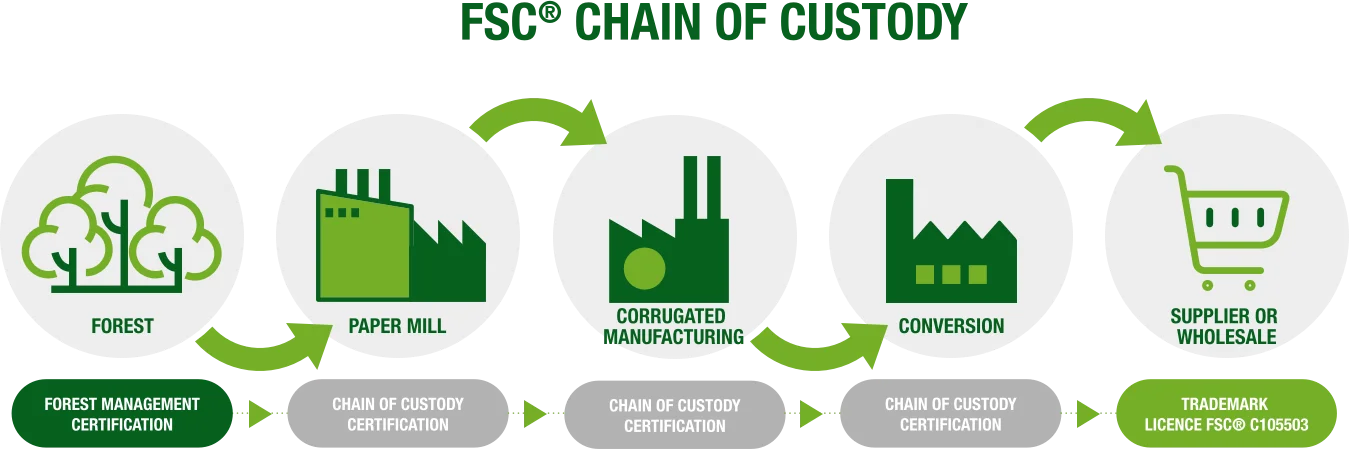
FSC (Forest Stewardship Council) is an indispensable certification for businesses operating in fields related to forestry and forest products. Built on 10 principles, FSC ensures sustainable forest management, protects the rights of workers and local communities, and conserves the environment.
2. 10 Principles of FSC Certification
Principle 1: Compliance with Laws and FSC Regulations
Businesses engaged in forest management must comply with national laws as well as international treaties and agreements signed by the host country. Additionally, they must adhere to all regulations and principles set by FSC.
Principle 2: Rights and Responsibilities in Forest Resource Management and Use
The rights and responsibilities related to forest resource management and use must be clearly defined and legally recognized. Any exploitation or use beyond these legal rights is considered a violation of the regulations.
Principle 3: Rights and Interests of Indigenous Peoples
Legal and traditional rights of indigenous peoples regarding ownership, use, and management of land and forest resources must be respected and protected.
Principle 4: Community Relations and Workers' Rights
Forest management activities must maintain and continuously improve the long-term benefits for forestry workers and local communities.
Principle 5: Benefits from Forest Resources
Sustainable forest management enhances the effective use of forest products and services, ensuring economic benefits as well as significant environmental and social gains.
Principle 6: Environmental Impact Management
Forest management must conserve biodiversity and its values, including soil, water resources, and diverse ecosystems, ensuring the integrity of forest functions.
Principle 7: Management Planning and Monitoring
Businesses must develop detailed forest management plans and regular monitoring schedules that are consistent with the scale and impact of management activities.
Principle 8: Monitoring and Assessment
Regular monitoring is required to assess the condition of the forest, product traceability, management activities, and the environmental and social impacts of these activities.
Principle 9: Conservation of High Conservation Value Forests (HCVF)
High Conservation Value Forests must be managed to maintain or enhance their unique attributes. Decisions related to these forests should prioritize preventive solutions.
Principle 10: Protection of Planted Forests
Planted forests must be managed in accordance with Principles 1 to 9, as well as Principle 10 and its accompanying criteria. FSC-certified forests not only provide significant economic benefits by meeting the global demand for sustainable forest products but also diversify forest management practices, reduce pressure on natural forests, and promote restoration and conservation.
3.Benefits of FSC Certification
FSC certification offers economic advantages by meeting the growing demand for sustainable forestry products worldwide. It also enhances forest management diversity, reduces pressure on natural forests, and contributes to environmental conservation and sustainable development.


