


ISO 9001 Quality Management System – A Solid Foundation for Sustainable Business Development
In today’s increasingly competitive environment, market and customer expectations go beyond simply delivering products or services. Organizations must demonstrate the ability to maintain consistent quality, optimize operations, reduce risks, and build strong customer trust. This is why ISO 9001, the world’s most widely adopted Quality Management System (QMS), has become an essential management tool for more than one million organizations globally.
1. What Is ISO 9001?
ISO 9001 is developed based on practical experience from millions of businesses and experts worldwide. Its purpose is to establish a scientific management system that ensures consistent product and service quality, clear and efficient operational processes, and continuous improvement to enhance customer value.
Rather than being a rigid set of procedures, ISO 9001 functions as a comprehensive management framework that supports organizations in achieving stable operations and long-term growth.
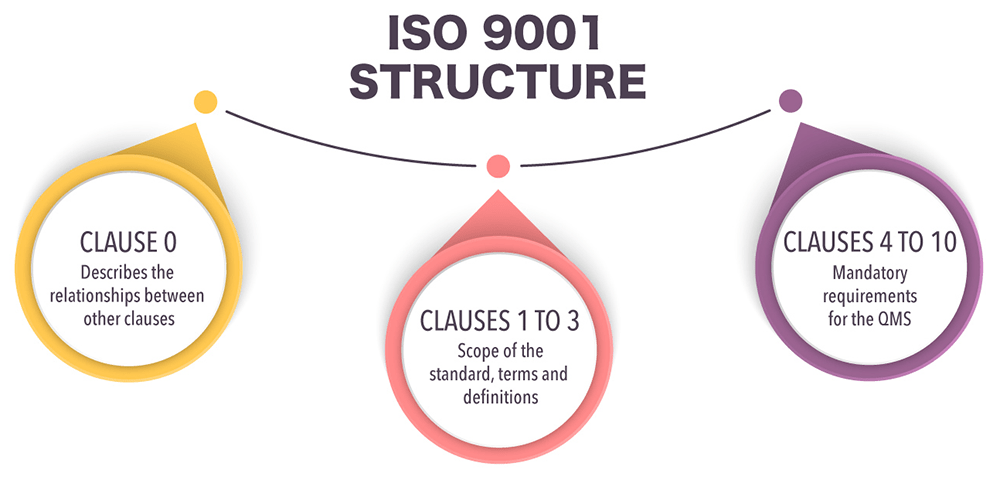
2. The Core Nature of ISO 9001 – Clarity in Work, People, and Methods
The ISO 9001 system is built on three fundamental pillars that ensure organizational stability and effectiveness.
Clarity in Work – Standardizing All Activities
Organizations need to identify all critical activities such as sales, purchasing, production, quality control, delivery, and after-sales services. These activities must be documented into processes, work instructions, and evaluation criteria. When employees clearly understand their tasks, timing, and expected results, the organization can reduce errors and operate more consistently.
Clarity in People – Clear Responsibilities and Authorities
ISO 9001 requires organizations to define key roles, assign responsible personnel, and clarify responsibilities, authorities, and competency requirements for each position. Leadership must demonstrate commitment, provide necessary resources, and ensure accountability throughout the system. This eliminates overlaps, misunderstandings, and unclear responsibilities in daily operations.
Clarity in Methods – Practical, Detailed Procedures
Work procedures must be specific, easy to understand, sequenced logically, and include clear control criteria and outputs. When methods are standardized, new employees can quickly adapt, cross-department collaboration improves, and the organization achieves consistent quality performance.
Commitment to Compliance
All documented procedures must be implemented, monitored, reviewed, and continuously improved. Compliance ensures that the system functions as intended and delivers practical operational benefits.
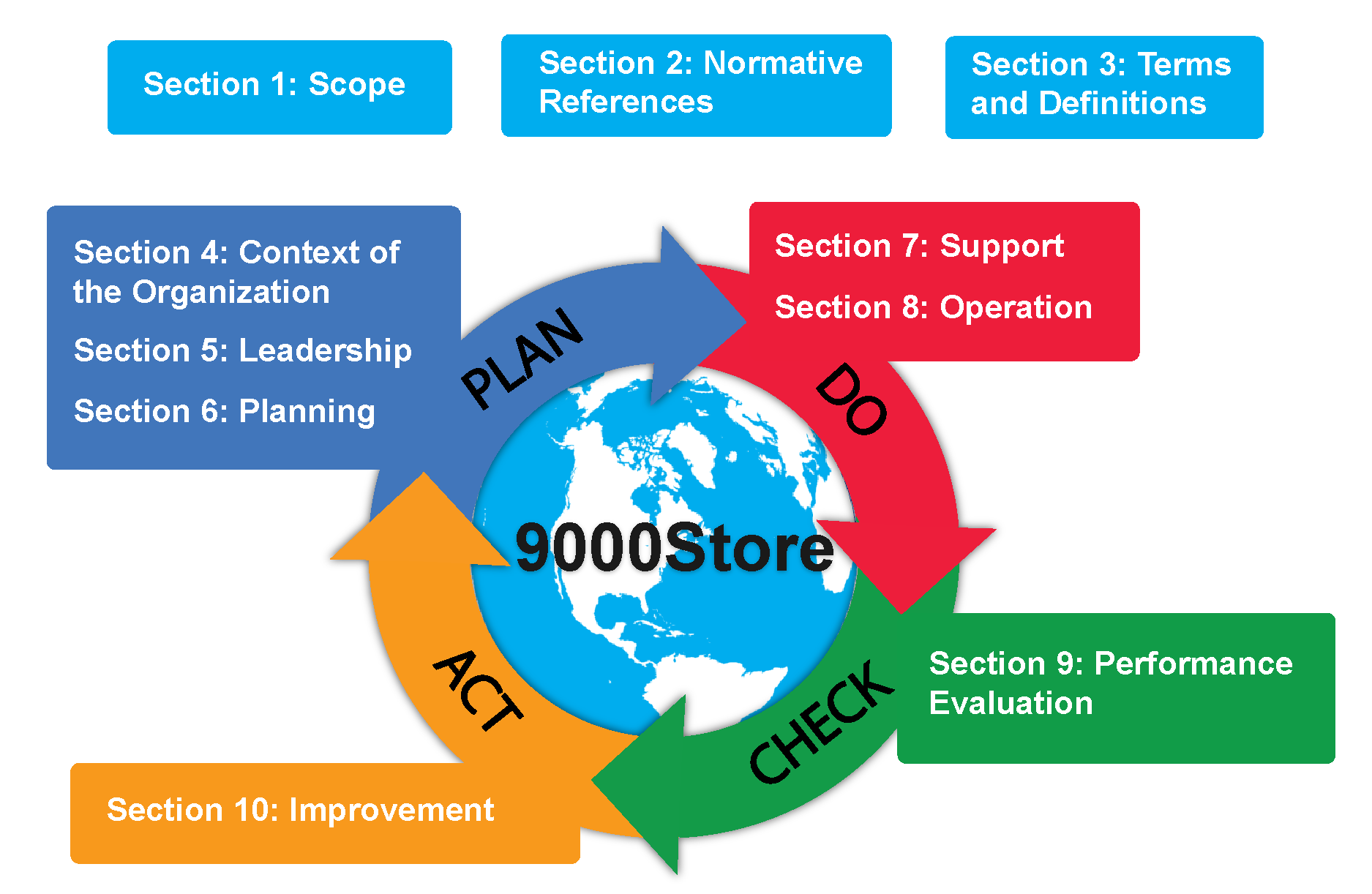
3. Key Benefits of ISO 9001:2015 for Businesses
Creating Competitive Advantages and Increasing Tender Success
ISO 9001 certification acts as a global quality assurance marker. It strengthens the organization’s reputation, improves brand visibility, and enhances credibility when tendering or negotiating contracts. Many government and corporate procurement programs require suppliers to be ISO 9001 certified, making certification a critical factor in winning bids and expanding market opportunities.
Building Trust with Customers and Partners
Achieving ISO 9001:2015 demonstrates that the organization operates according to international quality standards. It represents a strong commitment to consistent quality and reliability. This helps build long-term confidence among customers and business partners, reinforcing the brand’s reputation.
Ensuring and Continuously Improving Product and Service Quality
With a systematic and disciplined approach, ISO 9001 enables organizations to control inputs, stabilize production quality, reduce defects, minimize rework, and improve customer service. The system encourages continual improvement, leading to enhanced product performance and increased customer satisfaction.
Creating an Effective and Professional Work Environment
Standardized processes help employees clearly understand their responsibilities, authority, and workflow. This improves internal coordination, reduces conflict, minimizes mistakes, and boosts productivity. A well-structured system also promotes accountability and professionalism within the organization.
Proactive Risk Management
ISO 9001:2015 incorporates risk-based thinking. Organizations are required to identify potential risks, assess their impact, implement preventive actions, and respond effectively to operational issues. This helps organizations remain proactive, minimize disruptions, and maintain stability even under changing conditions.
4. Conclusion
ISO 9001 is more than just a certification; it is a holistic management methodology that empowers businesses to operate efficiently, control quality, reduce operational costs, enhance competitiveness, improve customer satisfaction, and pursue sustainable development. Implementing ISO 9001 is an investment in the organization’s future, laying the foundation for consistent, efficient, and long-term success.


