


Analysis of the Formation and Legal Contributions of C-TPAT
I. Historical Context and the Emergence of C-TPAT
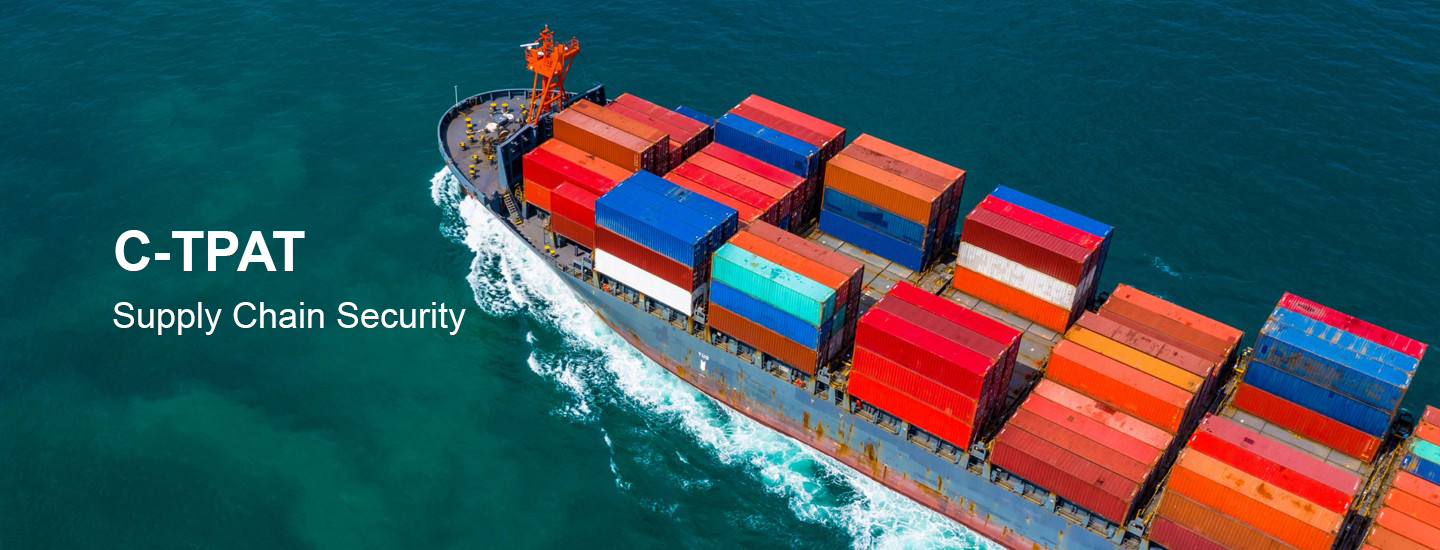
The establishment of C-TPAT is a prime example of how a national security incident (September 11, 2001) can reshape global trade laws and regulations. Before 2001, customs procedures primarily focused on tax collection and preventing prohibited goods. After the 9/11 tragedy, the focus shifted toward national security.
New Security Awareness: The United States recognized that cargo containers were among the most vulnerable points in the global supply chain and could be exploited by terrorists to transport weapons of mass destruction. A Cooperative Solution: Instead of imposing unilateral regulations, U.S. Customs and Border Protection (CBP) opted for a voluntary partnership model. C-TPAT became the foundation of this cooperation, in which the private sector plays the role of CBP’s “extended security arm.”
II. The Legal Status of C-TPAT in U.S. Customs Law
C-TPAT is not a mandatory legal requirement, but it is built on strong legal foundations and significantly influences U.S. trade regulations.
1. Connection to the SAFE Port Act (2006)
The Security and Accountability For Every Port Act officially legalized and strengthened the position of C-TPAT. The Act requires the Department of Homeland Security (DHS) to establish a certification program for participants in the international supply chain. C-TPAT is recognized by U.S. law as a primary instrument for implementing the nation’s cargo security objectives.
2. Defining Expanded Legal Responsibilities
C-TPAT promotes the concept of “Extended Responsibility,” meaning that responsibility for ensuring security does not rest solely on the government but spans the entire supply chain—from foreign manufacturers and logistics providers to importers.
Legal Protocols in Case of Violations: During security or customs violations, a company’s C-TPAT status is a critical factor for CBP to evaluate negligence or non-compliance. C-TPAT members, due to their established commitments, often receive more lenient consideration.
III. Legal Disadvantages of Not Having C-TPAT Certification
For exporters to the U.S., the absence of C-TPAT leads to greater legal and administrative risks:
Higher Scrutiny: Using risk-based assessment, CBP automatically categorizes non–C-TPAT companies as higher risk, resulting in more frequent and stricter customs and security inspections.
Increased Legal Liability in Incidents: If a shipment without C-TPAT certification is found to contain contraband (drugs, weapons) or undeclared items, the company bears full legal and administrative responsibility without mitigating factors.
Limited Access to Advanced Programs: Without C-TPAT, companies cannot participate in other premium CBP programs such as ISA, reducing opportunities for direct collaboration and dialogue with U.S. customs authorities.

IV. The Essential Role of TTS-CERT in Guiding Clients Toward C-TPAT Compliance
Correctly interpreting and applying the Minimum Security Criteria (MSC) under U.S. law requires high-level expertise—an area where TTS-CERT delivers strong support:
Accurate Interpretation of Legal Requirements: We ensure your security system is designed based on precise understanding of U.S. legal obligations, including the latest requirements on cybersecurity and risk assessment.
Legal Documentation Support: We help develop thorough compliance documentation that can be easily presented to CBP, maximizing mitigating factors in case of legal concerns.
Internal Assessment and System Improvement: Prior to formal certification, TTS-CERT conducts internal gap assessments, identifies nonconformities, builds corrective action plans (CAPA), and trains security personnel to strengthen long-term system operation.
End-to-End Accompaniment: From initial consultation and internal review to official assessment support, maintenance, and continuous improvement post-recognition, TTS-CERT stays with your organization throughout the entire process.
Through the comprehensive guidance of TTS-CERT, your organization not only achieves full C-TPAT compliance but also enhances credibility, competitiveness, and trust within the global supply chain—building a solid foundation for expanding collaborations with U.S. and international partners.


