


GRS Certification Process
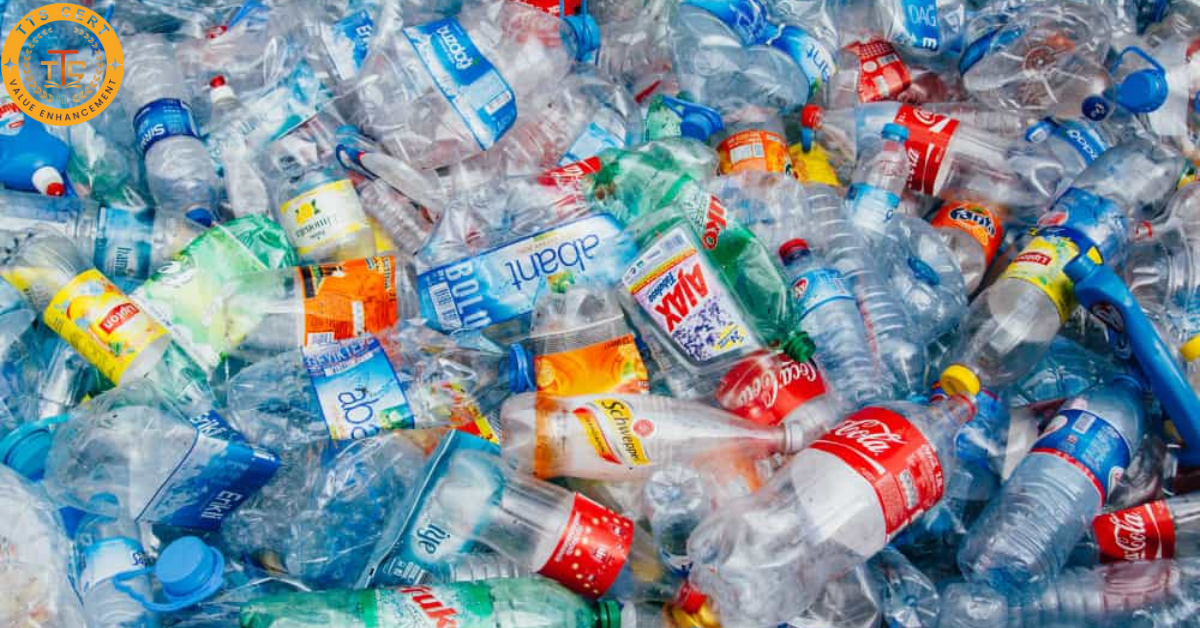
In the context of the growing demand for green consumption, GRS (Global Recycled Standard) certification has become an important standard that helps businesses affirm their commitment to the environment and social responsibility. Achieving this certification not only proves that a product contains recycled materials but also ensures that the production process complies with strict criteria regarding environmental impact, labor conditions, and traceability.
The process of obtaining GRS certification requires businesses to undergo multiple rigorous inspections and evaluations. From selecting a certification body, preparing documentation, and conducting on-site assessments to receiving the certificate and maintaining compliance—each stage plays a crucial role in ensuring that the business fully meets the standard's requirements.
Below is a detailed breakdown of each step in the GRS certification process, providing businesses with a clearer roadmap to successfully obtaining this certification. 🚀♻️

1. What is GRS Certification?
GRS (Global Recycled Standard) is an international standard developed by Textile Exchange to verify the percentage of recycled materials in products. It ensures a sustainable production process that complies with social responsibility, environmental protection, and traceability requirements.
2. GRS Certification Process Step by Step
Step 1: Select a Certification Body and Submit an Application
Research certification bodies recognized by Textile Exchange.
Complete the GRS certification application form.
Step 2: Compare Costs and Processing Time
Contact multiple certification bodies to evaluate costs, certification procedures, and processing time.
Select the most suitable certification body based on financial considerations and process efficiency.
Step 3: Sign the Contract and Certification Agreement
Sign a certification contract with the selected certification body (typically valid for one year).
Step 4: Prepare Documentation
Read and fully understand the GRS standard.
Prepare necessary documents, including supplier information, production processes, raw materials, and control procedures.
Step 5: Meet with the Assessment Expert
Participate in an assessment meeting with the certification expert.
Verify compliance with GRS requirements.
Complete internal adjustments before the official evaluation to minimize costs.
Step 6: Await Certification Decision
After the assessment, the certification body reviews the findings and decides whether to grant certification.
Step 7: Corrective Actions (If Needed)
If any non-conformities (NC) are identified, the company must implement corrective actions as required.
Step 8: Receive the Scope Certificate (SC)
Once all requirements are met, the company receives the Scope Certificate (SC).
Step 9: Prepare for Unannounced Audits
Be ready for surprise audits to ensure continuous compliance with GRS standards.
Step 10: Apply for the Transaction Certificate (TC)
The Transaction Certificate (TC) is mandatory for all GRS-certified product transactions.
Note on Transaction Certificates (TC)
The Transaction Certificate (TC) is mandatory for all GRS-certified product transactions.
This certificate is checked annually during audits.
Issuance of a TC may involve additional costs.
A product cannot be considered GRS-certified without the relevant TC.
Strict adherence to the steps in the GRS certification process will help businesses ensure transparency, enhance brand reputation, and meet market demands for recycled products.
3. Benefits of Following the GRS Certification Process
Affirm Commitment to Sustainability
Demonstrates that the company uses recycled materials and takes responsibility for the environment.
Reduces the negative impact on ecosystems and natural resources.
Enhance Brand Value
Increases credibility with customers, partners, and investors.
Meets the demand for green consumerism, making the brand more attractive.
Meet International Standards & Expand Market Reach
Complies with strict sustainable production regulations.
Easier access to markets that require GRS standards, such as Europe and the US.
Increase Transparency & Control Supply Chain
Ensures clear traceability from raw materials to finished products.
Provides tighter control over quality and production processes.
Create Competitive Advantage & Increase Sales
GRS-certified products can easily enter major retail systems.
Attracts customers interested in environmentally friendly products.
Optimize Production Process & Save Long-Term Costs
Helps businesses identify and eliminate non-compliant points in the production process.
Reduces material waste and optimizes operational costs.
Adhering to the GRS certification process not only helps companies build a sustainable image but also brings long-term economic benefits.
4. Conclusion
Following the GRS (Global Recycled Standard) certification process not only helps businesses earn a reputable certification but also opens up many opportunities in the green consumer market. From affirming the commitment to environmental protection, enhancing brand value, controlling the supply chain, to optimizing production costs and expanding into international markets, GRS certification brings significant economic and social benefits.
Although the certification process requires careful preparation and commitment from businesses, the end result is a solid foundation for sustainable development. In an era where transparency and environmental responsibility are becoming increasingly important criteria, obtaining GRS certification not only helps businesses lead trends but also creates a competitive edge in the market.


