


What is Sedex Audit?
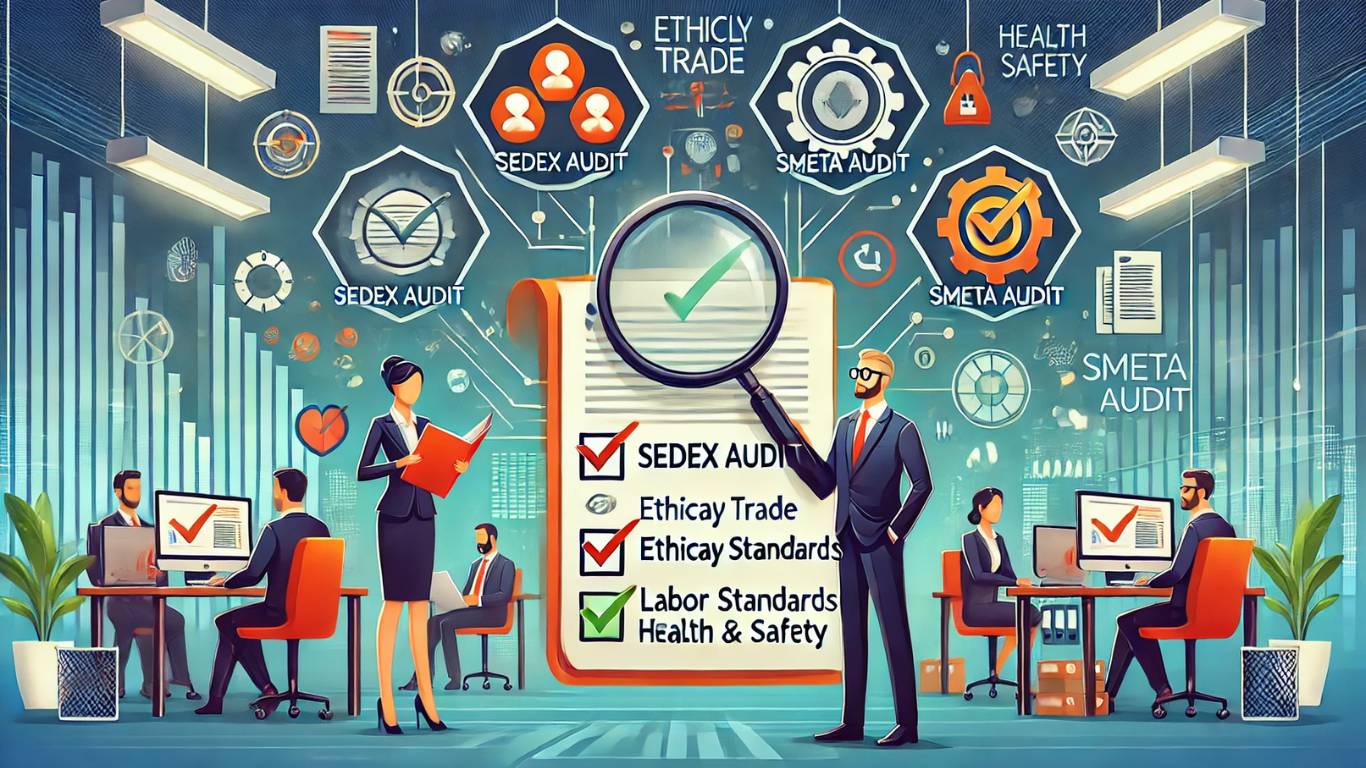
Sedex Audits are Ethical Trade audits, also known as SMETA audits.
Understanding Sedex and SMETA
Before diving deeper into Sedex Audits, it's essential to understand Sedex and SMETA and the difference between them.
In fact, from a user’s perspective, there is no difference. Sedex uses the Ethical Trade Initiative (ETI) code of conduct as the foundation for its audits.
Sedex (Supplier Ethical Data Exchange): A non-profit organization that operates a secure online database to promote ethical and responsible business practices.
SMETA (Sedex Members Ethical Trade Audit): An audit methodology developed by Sedex members to provide a standard protocol for ethical trade audits.
Sedex allows supplier members to share and manage information related to labor standards, aiming for continuous improvement in working conditions. Consequently, more brands and buyers are utilizing Sedex audits to reduce and monitor supply chain risks.
Key Components of Sedex Audits
1. Two-Pillar Audit
A Two-Pillar Sedex Audit covers:
Labour Standards
Health & Safety
Additional Elements:
Management Systems
Entitlement to Work
Subcontracting and Homeworking
Abridged version of Environment
2. Four-Pillar Audit
A Four-Pillar Sedex Audit (SMETA 4P) covers all elements of the Two-Pillar Audit, plus:
Environment (Extended)
Business Ethics
Preparing for a Sedex Audit
To prepare for a Sedex Audit, companies should:
Understand the audit requirements and criteria.
Review internal policies and procedures related to labor standards, health & safety, environment, and business ethics.
Conduct a self-assessment using the SAQ (Self-Assessment Questionnaire) provided by Sedex.
Common Questions about Sedex and SMETA Audits
Is there a difference between Sedex and SMETA Audits?
No, they are essentially the same. SMETA is the audit methodology created by Sedex members, while Sedex is the platform facilitating the audits.
Is Sedex a Certification?
No, Sedex is not a certification. SMETA audits result in a report, not a certificate. Therefore, the Sedex logo cannot be used on products or marketing materials.
How to Upload Corrective Actions for SMETA CAPR?
Once your audit report is published, you will receive links to upload corrective action proofs on the Sedex platform.
What is the Validity of a SMETA Audit Report?
While no specific validity is mentioned in the report, it is generally considered valid for one year from the audit date. However, acceptance of an older report depends on the buyer's requirements.
Becoming a Sedex Auditor
To become a Sedex Auditor, you must:
Be an APSCA (Association of Professional Social Compliance Auditors) member.
Be associated with an APSCA member firm.
Complete three APSCA exams to qualify as a CSCA (Certified Social Compliance Auditor).
Areas Covered in Sedex Audits
Labour Standards
Health & Safety
Environment
Business Ethics
Management System
Code Implementation
Entitlement to Work
Subcontracting
Homeworking
Getting the Most Out of a SMETA Audit
View the audit as an investment for long-term compliance and continuous improvement.
Start with legal compliance and gradually work towards implementing best practices.
Aim to have best practices highlighted in the “Good Examples” section of the SMETA report.
Plan and record all steps before and after implementing best practices to create valuable case studies.


