Table of contents
1. WHAT IS A SEDEX AUDIT?
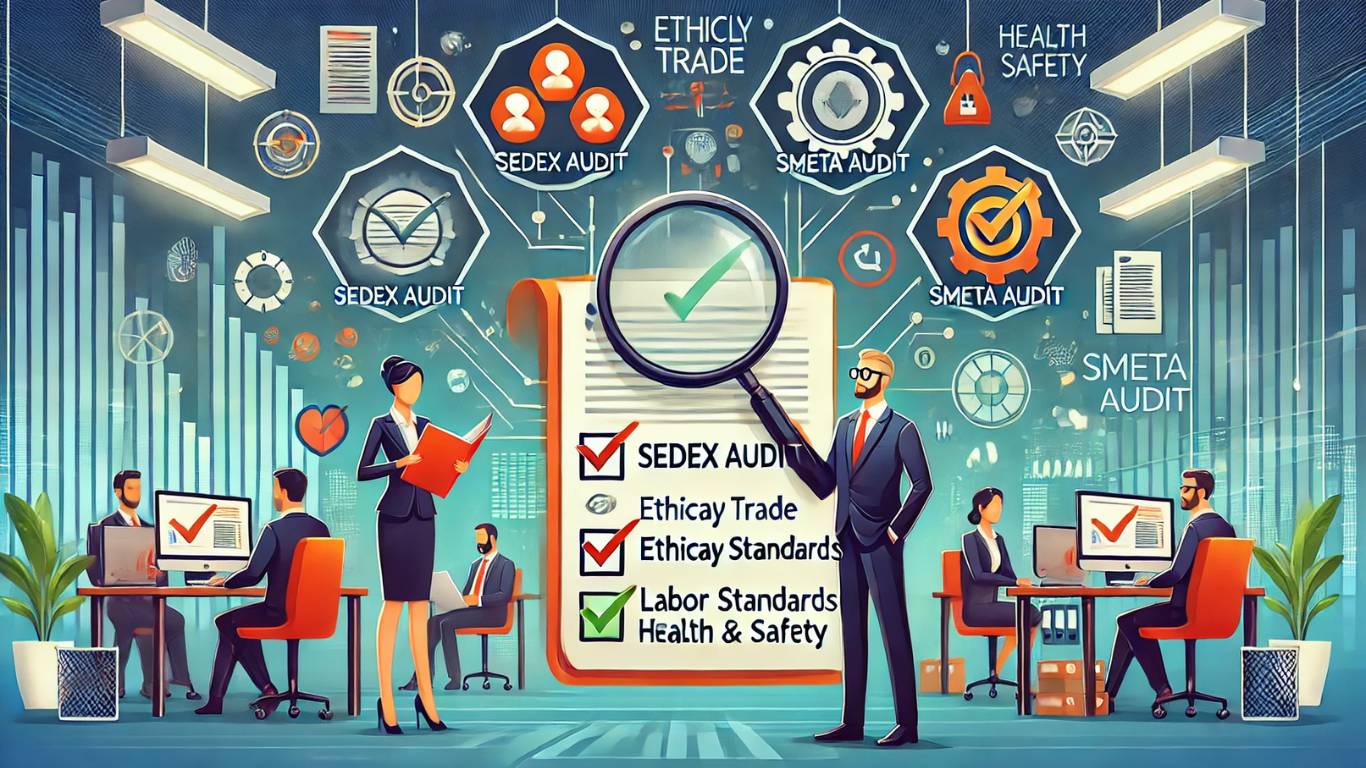
A Sedex Audit is a type of ethical trade audit, also known as a SMETA Audit.
Before learning more about Sedex Audits, it is important to understand Sedex and SMETA and the difference between them.
In practice, from a user’s perspective, there is no significant difference between these two terms. Sedex uses the Ethical Trade Initiative Base Code as the basis for its audits.
2. WHAT IS SEDEX?
SEDEX (Supplier Ethical Data Exchange) is a non-profit organization that operates a secure online database platform designed to promote ethical and responsible business practices.
Sedex supplier members can share and manage information relating to labor standards.
Manufacturers and suppliers commit to improving their labor standards.
One of Sedex’s key roles is to promote the continuous improvement of working conditions.
Today, an increasing number of brands and buyers use Sedex Audits to identify, mitigate, and monitor risks within their supply chains.
3. WHAT IS A SMETA AUDIT? HOW IS IT DIFFERENT FROM A SEDEX AUDIT?
In practice, there is no difference between a Sedex Audit and a SMETA Audit—the terms are commonly used to refer to the same audit.
SMETA (Sedex Members Ethical Trade Audit) is an audit methodology developed by Sedex members to provide a consistent and transparent auditing process.
SMETA Audits are based on the Ethical Trade Initiative Base Code and applicable local laws. They may also refer to other codes based on the conventions of the International Labour Organization (ILO).
4. Key Components of Sedex Audits
4.1. Two-Pillar Audit
A Two-Pillar Sedex Audit covers:
Labour Standards
Health & Safety
Additional Elements:
Management Systems
Entitlement to Work
Subcontracting and Homeworking
Abridged version of Environment
4.2. Four-Pillar Audit
A Four-Pillar Sedex Audit (SMETA 4P) covers all elements of the Two-Pillar Audit, plus:
Environment (Extended)
Business Ethics
5. HOW TO PREPARE FOR A SEDEX AUDIT?
Understand the requirements of Sedex and SMETA.
Ensure compliance with the Ethical Trading Initiative Base Code and applicable local laws and regulations.
Establish and maintain an appropriate management system, including:
Labour policies
Health and safety
Business ethics
Environmental protection
6. IS SEDEX A SUSTAINABILITY CERTIFICATION?
Sedex is not a certification:
A SMETA audit only produces an audit report and does not result in the issuance of a certificate.
Although the audit covers various sustainability-related aspects, the Sedex logo may not be used on products because Sedex is not a sustainability certification.
7. HOW TO REGISTER AS A SEDEX MEMBER?
To register as a supplier member on the Sedex platform, you need to:
Access Sedex Advance, Sedex’s software platform.
Register and pay the annual membership fee.
8. HOW TO BECOME A SEDEX AUDITOR?
You must be a member of APSCA (Association of Professional Social Compliance Auditors).
To become an APSCA member, you must be affiliated with an APSCA Member Firm.
To obtain the CSCA qualification, you need to complete three APSCA examinations.